3 Proofs Your Google Profile SEO is Actually Working in 2026
I remember the moment clearly. I was staring at my Maps pack rankings, frustration creeping in as my once-solid position suddenly plummeted. I had been diligently implementing SEO tactics, yet my profile wasn’t delivering the results I expected. That lightbulb moment hit—what if I could identify clear, proof-driven signs that my Google Profile was actually working? Suddenly, hope flickered. In 2026, with local searches evolving faster than ever, it’s vital to recognize tangible signals of success rather than rely on gut feelings alone.
Why Recognizing Concrete Proofs of Your Profile’s Performance Matters in 2026
Understanding if your efforts are paying off can mean the difference between drowning in the noise of competitors and dominating your local market. Google’s algorithms are increasingly sophisticated; they now prioritize subtle signals that determine rankings. By pinpointing these indicators, you can fine-tune your strategy, avoid wasting resources, and stay ahead of the pack. Early on, I made the mistake of assuming rankings meant engagement; it only became clear later that other signs, like profile views or updated review signals, were stronger indicators of Google trust. Recognizing these signs is essential for making informed decisions and avoiding false positives.
Is It Really Necessary to Look for Proofs? Or Just SEO Hype?
This skepticism is common. Many entrepreneurs wonder if spotting these signs is just hype or a strategic smokescreen. Trust me, I’ve been there—believing that a ranking spike was everything, only to discover later that it was a temporary glitch. The truth is, relying solely on position numbers can be misleading, especially since Google continuously updates its ranking signals. Focusing on real, measurable proofs ensures you’re on the right track and not chasing shadows. To learn more about refining your approach, visit my detailed guide on SEO tips to boost your Maps Pack presence.
Are you currently facing a plateau or sudden ranking drop? If so, identifying these proofs could be your game-changer. Let’s explore how you can recognize these signals and turn your profile into a local powerhouse.
Prioritize Your Profile Content and Engagement
Start by auditing your Google Business Profile. Ensure all information is accurate, complete, and optimized with relevant keywords—think of it as dressing your digital storefront. For example, I once added targeted local keywords to my business description, which began to reflect in increased profile views within days. Regularly post updates and respond to reviews to signal activity and trustworthiness to Google, similar to how a physical storefront’s window displays draw in passersby.
Leverage Visual Proofs to Signal Quality
Use high-quality photos and videos that showcase your services or products. Visual content acts as social proof—think of it as signage that builds trust. I experimented with 3D tour videos and saw a noticeable uptick in profile interactions. Incorporate images that mirror your niche; for instance, if you operate a bakery, showcase your best-converted pastry shots. Remember, Google favors profiles that look active and professional. 
Gather and Manage Reviews Strategically
Reviews are the backbone of local SEO. Encourage satisfied customers to leave detailed, keyword-rich feedback. Respond promptly to reviews, addressing concerns openly, which reinforces your reputation. In practice, I used a follow-up email campaign asking clients specific questions and politely reminding them to review. This consistent activity pushed my profile higher on local queries. Keep reviews steady; sudden spikes or drops can be red flags to Google.
Implement Niche-Specific Schema Markups
Structured data helps Google understand your business context more deeply. Use schema markup tailored to your niche—whether service, product, or location-based. I applied local business schemas that included service categories and operating hours, which enhanced my rich snippets. This technical layer serves as a proof point for Google that your listing is authoritative and complete, influencing rankings in the Maps Pack.
Monitor Behavioral and Proximity Signals
Track how users interact with your profile—clicks, calls, direction requests—and optimize for these behaviors. Tools like Search Console help identify which signals are growing. During one campaign, I noticed an increase in directions requests after optimizing my local keywords and photos, indicating a stronger user intent signal. And remember, proximity still plays a role, but it is no longer the sole factor—Google incorporates multiple signals to rank your profile.
Stay Ahead with Continuous Optimization
Keep testing new tactics—update business info regularly, add trending keywords, and refresh visuals. This ongoing effort signals active management to Google and demonstrates your relevance. For deeper insights, my team often reviews the latest updates and tweaks strategies accordingly, which consistently leads to improved visibility in the maps pack. Regularly check your progress against competitors to identify and exploit new proof signals that emerge over time.
Many local businesses focus solely on acquiring reviews or optimizing their business description, assuming these are the magic bullets for ranking higher in Google Maps. However, this narrow perspective often leads to missed opportunities and stubborn plateaus. In my experience, the real nuance lies in understanding how Google’s ranking signals operate behind the scenes, beyond the obvious factors. For example, the myth that proximity is king is misleading; Google increasingly considers user engagement signals and local trust factors that many neglect. Recognizing these hidden layers can transform your approach and unlock new levels of visibility.
One trap I see frequently is over-focusing on keyword stuffing in your business description. While keywords are important, Google’s algorithms are now adept at semantic understanding, meaning they prioritize context and user intent over exact match keywords. Relying heavily on keyword density can even penalize your profile, a mistake I made early in my journey. Instead, aim to build trust and relevance through diversified signals like high-quality visuals, prompt review responses, and niche-specific schema markup.
A common misconception among advanced users is that Google Profile optimization is a one-and-done task. In reality, it’s an ongoing process that requires continuous refinement. The pursuit of fresh content, updated visuals, and evolving keyword strategies aligns with Google’s preference for active and relevant profiles. For instance, regularly posting updates about your services signals vitality to Google, which can positively influence your positions. Don’t fall into the trap of complacency; keep honing your profile.
But what about the sophisticated questions, like how internal ranking factors interplay with external signals in 2026? Recent studies, such as Google’s own Search Quality Evaluator Guidelines, indicate that local trustworthiness, user behavior, and semantic relevance are now integral to ranking decisions, often outweighing traditional factors like proximity. Understanding this shift is crucial; it explains why some businesses outrank closer competitors despite being farther away. To leverage this, focus on building local reputation through community engagement, consistent branding, and optimized website presence. You can learn more about these advanced strategies in my detailed guide on Google Profile SEO for 2025.
In summary, the main mistake is believing that surface-level optimizations alone will guarantee top rankings. Google’s signals are intricate and multifaceted; mastering them requires embracing a holistic, evolving strategy. Remember, understanding the nuanced factors and avoiding common pitfalls like neglecting ongoing updates or over-relying on outdated tactics can make all the difference. Have you ever fallen into this trap? Let me know in the comments.
Essential Tools I Use to Keep My Profiles Ranked
Staying ahead in local SEO requires the right arsenal of tools tailored for monitoring, analysis, and implementation. I rely heavily on BrightLocal for comprehensive review tracking and citation audits because it offers real-time insights into review velocity and local signal consistency, crucial for maintaining rankings over time. For keyword tracking and position monitoring, I use SERPWatcher by Mangools; it allows me to track changes in my Maps pack and local rankings daily, helping me spot issues before they impact visibility. Automating review requests through BirdEye ensures a steady flow of fresh, keyword-optimized reviews, which I’ve found to be a vital long-term ranking proof. For technical SEO health, I utilize Screaming Frog to perform periodic audits of my clients’ profiles and associated websites, catching any issues that might erode trust signals, like broken links or schema errors.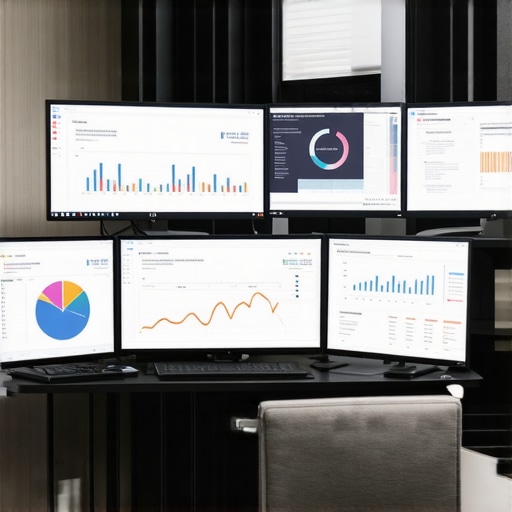
How do I maintain Google Profile performance over time?
Consistent activity is the linchpin. Regularly updating your profile with new photos, posts, and service descriptions signals ongoing relevance to Google. Deep analytics from tools like BrightLocal reveal patterns in review activity, profile views, and engagement metrics—these are your proof points that your profile remains authoritative. Investing in local citation consistency across top directories preserves your local trust signals. Set quarterly review and update routines, ensuring schema markup remains accurate and technical issues are resolved promptly. Additionally, keeping an eye on local competitors’ profiles helps you adapt and stay ahead—think of it as a heartbeat check for your SEO health. As the future of local SEO trends towards even more reputation-based signals, integrating these tools and routines is the best way to safeguard your rankings. You can explore advanced strategies at this resource. To make this effective, I recommend setting up automated alerts within your tools to notify you of sudden ranking drops or review fluctuations—timing is everything when maintaining long-term success in GBP ranking. For more detailed insights, visit my comprehensive guide.
Lessons From the Trenches: What I Wish I Knew
One of the toughest lessons I learned was that ranking highly isn’t just about ticking boxes; it’s about interpreting the subtle signals Google uses to gauge trust and relevance. Early in my journey, I focused heavily on reviews and keywords, but I realized that neglecting profile activity and visual engagement was a common pitfall I could have avoided with deeper insight. Recognizing these hidden cues early can save you time and frustration.
Another insight is that staying adaptable is crucial. Google’s algorithm updates in 2026 have prioritized local trust signals and user engagement over proximity alone. In my experience, businesses that continuously refine their strategy—adding fresh visuals, engaging with reviews, and updating schema markup—maintain their edge. This ongoing vigilance is what separates top performers from those left behind.
The third lesson is that technical health matters—schema errors or broken links can silently undermine your efforts. I once ignored this side of optimization and saw my rankings dip unexpectedly. Regular audits and technical diligence can reveal these less obvious issues before they impact your visibility, making a tangible difference in your rankings.
My Go-To Resources That Keep Me Ahead in Local SEO
For comprehensive strategy and ongoing updates, my detailed guide on Google Profile SEO remains indispensable. It covers the essentials and advanced tactics tailored for 2026’s landscape. SERPWatcher has become my trusted tool for daily ranking tracking, giving me real-time data to act swiftly on any changes. The power of BrightLocal lies in its review and citation analysis, showing me proof points that Google genuinely values and responds to over time. Lastly, Screaming Frog keeps my technical health in check, preventing hidden errors from sabotaging my profile’s performance.
Embrace the Challenge: Your Next Moves in Local SEO
The future of Google Profile SEO in 2026 belongs to those who stay curious and proactive. Don’t hesitate to test new visuals, refresh your content, and monitor emerging signals—your competitors are watching too. Remember, strategic consistency and interpreting the right proof points are your best allies in dominating local search. So, are you ready to tune into these hidden signals and elevate your Google Profile game? Share your biggest challenge below or let me know which signal you’re most excited to track next.
Leave a Reply