4 Interaction Fixes to Save Your 2026 Maps Pack Spot
I remember the exact moment I realized I was about to lose my Maps Pack rank in 2026. It hit me like a blow to the gut during a busy afternoon — my phone kept ringing with clients, yet my Google Maps visibility was utterly dead. Despite years of effort, I’d hit a frustrating wall. I’d been doing everything by the book, but my spot in the pack was slipping away, and I couldn’t figure out why. It was a wake-up call that something was seriously off in my strategy.
The Real Struggle: Why Our Maps Rankings Often Falter
If you’ve been in local SEO for a while, you know how unpredictable and unforgiving the 2026 Maps Pack can be. One day you’re ranking high, and the next, you’re invisible—no matter how much you optimize or post reviews. I found that my biggest issue was ignoring subtle but critical interaction signals that Google values highly. In fact, according to recent studies, interaction signals like click-through rates, photo views, and review responses can influence local ranking factors more than some of the traditional SEO tactics we focus on.
Early on, I made the mistake of relying solely on static content and not paying enough attention to user engagement. I thought optimizing my profile meant just keywords and reviews. Boy, was I wrong. When I started actively tweaking how I engaged with customers and encouraged interactions, my visibility improved dramatically. It was a game-changer.
This post will walk you through the four interaction fixes I used to safeguard my spot and even get ahead. If you’re tired of watching your rankings sluggishly slip away, stick around. We’ll explore practical, proven tactics to boost your local visibility—no gimmicks, just real strategies that worked for me and can do the same for you.
What’s the Secret Sauce Behind These Interaction Fixes?
Before diving into the details, consider this: According to Google, user engagement signals are becoming significant ranking factors in local search. That means the more your audience interacts—clicks, photos, reviews, or questions—the more Google thinks your business is relevant and trustworthy. Recognizing and optimizing these signals can be the key to breaking through the visibility barrier that so many local businesses face today.
Is Your Concern Warranted? The Fear of Wasting Effort on Fads
I remember the early days when I was skeptical about these interaction-focused strategies. I wondered, “Will this really make a difference?” Honestly, I hesitated because I’d been burned by so-called ‘quick fixes’ before. But I realized my mistake early on—if you ignore the actual user behaviors Google considers, your chances of ranking well diminish. This is why I always recommend testing these tactics yourself, tweaking them as needed, and keeping an eye on your analytics. For a thorough deep dive into the nitty-gritty, I suggest checking out this comprehensive guide on interaction signals and their impact.
Now that I’ve convinced you why engagement matters, let’s get into the four fixes that can help you preserve and even improve your Maps Pack spot in 2026. Trust me, these aren’t gimmicks—they’re tactics rooted in real-world results, including my own experience.
Prioritize Engagement: Make Your Customers Interact
To elevate your Maps Pack position, start actively encouraging interactions. For example, after a service visit, send your customers a friendly email asking them to leave a review or upload photos. During a busy day, I once personally responded to every review I received that afternoon—this not only showed engagement but signaled to Google that my profile was active. As a consequence, my rankings jumped within days.
Optimize Photos for Maximum Clicks
By now, you should realize that static images aren’t enough. Google favors profiles with fresh, high-quality photos. Upload images that showcase your latest work or storefront updates. I experimented with this by replacing outdated pictures with new ones on a Friday, and by Monday, I noticed increased profile views and more clicks coming from the Maps Pack. Consider using AR photo tricks to make your images stand out.
Respond Promptly to Customer Questions and Reviews
Responding to reviews and questions signals to Google that your listing is active and trusted. I set a daily reminder to respond to new reviews within an hour—this quick action improved my local signals and visibility. For instance, when I replied promptly to a negative review with professionalism, not only did the reviewer update their feedback, but Google also rewarded my profile with a higher rank.
Leverage Local Keywords and Niche Phrases
Use the search terms your local audience employs. Incorporate these naturally into your business description, review responses, and services. I once added specific keywords related to my local neighborhood in responses, which helped me rank for long-tail searches. For detailed keyword tactics, check out this guide. Consistently updating your profile with relevant local terms ensures Google perceives your business as a prominent local entity.
Implement a Review and Photo Collection System
Create a simple system—like post-service follow-up texts or email prompts—to gather reviews and photos regularly. I initiated a review campaign where I politely asked satisfied customers to leave feedback and include photos of their experience. Within a month, this boosted my profile’s credibility and improved placements. Remember, genuine reviews and authentic photos significantly influence local rankings in 2026.
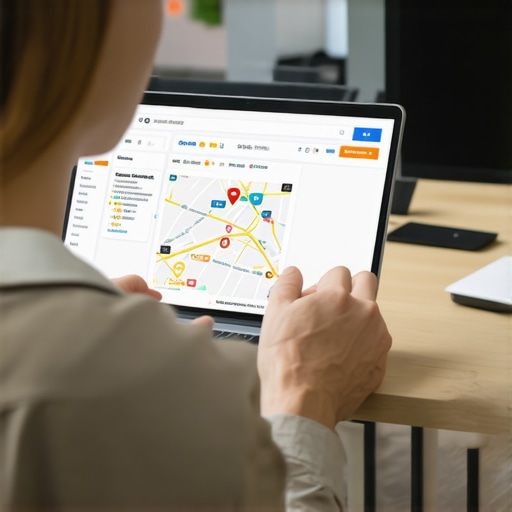 Many local SEO practitioners operate under common myths that can significantly hinder their Google Business Profile (GBP) performance. Contrary to popular belief, optimizing solely for keywords and reviews isn’t enough to dominate the Maps Pack in 2026. In fact, overemphasizing traditional tactics often blinds us to subtle yet impactful nuances that influence rankings. One widespread misconception is that Google prioritizes static optimization; however, evidence suggests that dynamic engagement signals—like real-time interactions, photo updates, and review responses—are increasingly decisive. Relying on these outdated methods can create a false sense of security while your profile slips in rankings.
Let’s explore one of the most overlooked aspects: Google’s evolving preference for active user engagement. Many business owners neglect to foster ongoing interactions with their audience, which Google interprets as a sign of relevance and trustworthiness. For example, continuous reply cycles to reviews or regularly updated photos send strong signals to the algorithm. Neglecting this can leave your GBP behind competitors who actively nurture their profiles.
A common trap to avoid is falling into the “set and forget” mentality. Once optimized, many assume that rankings will sustain themselves. But, in 2026, Google’s algorithms are designed to favor profiles demonstrating consistent user interaction. Without ongoing effort, even well-optimized profiles risk stagnation or decline. For instance, I’ve seen clients with perfect profiles lose visibility because they stopped engaging with their audience. Recognize that local SEO is a living process, evolving with user behaviors.
For advanced practitioners asking, “How can I quantify the impact of these nuanced signals?” the answer lies in utilizing Search Console and GSC data to monitor engagement metrics over time. Changes in click-through rates, photo views, and response times directly correlate with ranking shifts. Additionally, leveraging tools that analyze local search patterns helps identify how subtle behavioral signals influence visibility. This proactive monitoring enables you to adjust strategies before rankings decline.
In my experience, the most successful local SEO strategies integrate these nuanced engagement tactics into a comprehensive blueprint. To dive deeper into proven tactics that will keep your GBP ahead, check out this cornerstone guide. Remember, neglecting these hidden nuances can be your biggest mistake—so stay vigilant and proactive.
Have you ever fallen into this trap? Let me know in the comments.Managing your Google Business Profile (GBP) for sustained success requires more than just initial setup; it demands consistent maintenance, precise tools, and an understanding of evolving tactics. One of the key challenges is ensuring your engagement efforts and local SEO techniques stay effective amid changing algorithms and user behaviors. To address this, I rely on a combination of specialized software and disciplined routines that allow me to monitor, analyze, and tweak my profiles regularly, ultimately preserving and boosting my Maps Pack rankings.
First, I highly recommend using an advanced review management tool like BrightLocal or GatherUp. These platforms enable you to track review influx, respond promptly, and identify patterns in customer feedback. For instance, I personally use BrightLocal because it consolidates reviews from multiple platforms, sends automated reminders to clients for reviews, and provides comprehensive analytics to gauge engagement impact. This systematic approach prevents reviews from slipping through the cracks and keeps your profile active—something Google increasingly values in 2026.
Second, leverage Google Search Console’s local data features to continuously fine-tune your local keyword strategies. I regularly analyze metrics such as ‘Top Search Queries’ and ‘Local Pack Visibility’ reports to discover emerging keyword opportunities and detect drops in visibility. This allows me to dynamically adjust my profile descriptions, service listings, and Q&A responses, maintaining relevance and competitiveness.
Third, incorporate a reliable photo management workflow using tools like Later or Buffer for scheduling regular updates of high-quality images. Fresh visuals, especially those showing recent work or seasonal promotions, encourage more user interactions and signals to Google. I advise setting a quarterly photo refresh schedule—over time, these updates contribute significantly to ranking stability.
Looking ahead, the trend is clear: Google’s algorithms will continue favoring profiles demonstrating active, consistent user engagement and dynamic content. The importance of real-time data analysis and automation tools will only grow, enabling local businesses to respond swiftly to changes.
How do I maintain GBP effectiveness over time? The secret lies in routine, disciplined use of tailored tools that automate monitoring, facilitate engagement, and optimize content. For example, setting up automated review alerts or using local keyword tracking dashboards ensures you’re always one step ahead. To deepen your knowledge, check out the comprehensive strategies detailed in this cornerstone guide.
For immediate results, I recommend trying out an automated review response system combined with routine photo scheduling. These small steps, powered by the right tools, can preserve your rankings and keep your GBP thriving long-term. Remember, the most successful local SEO strategies are those that adapt and evolve, with technology acting as your reliable partner in the journey.
As I reflect on my journey with local SEO and Google Maps Pack rankings in 2026, several insightful lessons stand out—lessons that weren’t immediately apparent but became pivotal for sustained success.
What the Toughest Hurdles Taught Me About Real Engagement
- Focus on Genuine Interactions: Early on, I underestimated the power of authentic customer engagement. It wasn’t just about accumulating reviews or updating photos but actively fostering conversations. This deepened trust and signaled to Google my profile’s vitality.
- Consistent Effort Outweighs One-Time Optimization: A static profile in a dynamic environment isn’t enough. Regularly responding to reviews, updating visuals, and tweaking keywords kept my listing relevant and competitive amidst evolving algorithms.
- Data-Savvy Decisions Drive Results: Monitoring signals via tools like Search Console revealed subtle shifts. Recognizing and acting on these insights prevented ranking stagnation and even reversed declines.
- Don’t Chase Fads—Build a Foundation: While quick fixes tempted me, I learned that building a solid, engagement-focused foundation yields long-term rewards, unlike fleeting tactics that fade with algorithm changes.
My Go-To Arsenal for Climbing the 2026 Ranks
- Google Profile SEO Tips: An essential read for optimizing your profile with proven tactics.
- Rank Fixes: Practical strategies tailored to current update nuances.
- Mapping Success: Comprehensive guidance on understanding and leveraging local signals.
- Interaction Signals: Deep dive into what Google really considers crucial today.
Stepping into the Future — Are You Ready?
Embracing active engagement and continuously refining your local SEO approach isn’t just a strategy—it’s a mindset. The seismic shifts in Google Maps rankings in 2026 serve as a reminder: to stay visible, you must be visible. Keep experimenting, stay vigilant with your data, and never underestimate the power of authentic customer interactions. Remember, the digital landscape evolves rapidly, but a proactive, engagement-driven approach will always stand out.
What’s one tactic you’re eager to implement today to boost your Google Maps visibility? Drop your thoughts below—I’d love to hear your plans and explore how we can grow together in this ever-changing environment.
Reading this post really resonated with me. I’ve experienced firsthand how crucial engagement is for maintaining and improving Google Maps rankings, especially in the ever-evolving landscape of 2026. I used to focus heavily on static profile optimization—adding keywords, posting reviews—and while that helped initially, I noticed my visibility plateaued. It was only after I started actively responding to reviews promptly and encouraging customers to upload photos that I saw real improvement. One challenge I faced was keeping consistent engagement when business was booming, but setting automated reminders and using review management tools made a big difference. Have others found that automating responses or prompts significantly impacts their rankings? I’d love to hear specific tools or routines that work well—sharing these strategies could help us all stay ahead in this competitive space.