Ultimate GBP Ranking Tips to Dominate Google Maps Pack in 2025
I remember the moment clearly. I was staring at my computer screen, frustration mounting. My Google Business Profile stats were stagnant, and no matter how much I tweaked my listing, I just couldn’t crack into that coveted Google Maps Pack. It felt like trying to shout in a crowded room — my message was getting drowned out.
Why Google Maps Pack Dominance Matters More Than Ever
In 2025, local SEO isn’t just a nice-to-have; it’s essential. If your business isn’t showing up in the Google Maps Pack, you’re invisible to a huge chunk of potential customers actively searching for your services. That’s a harsh reality I learned early on. Missing out on this visibility meant losing out on significant revenue — and I bet you’ve faced the same.
Many small business owners get caught up in the myth that ranking in the Maps Pack is just about keywords or having the right category. While those are parts of the puzzle, the real secret lies in a holistic approach backed by proven strategies. I’ve been there, made mistakes like neglecting reviews or ignoring profile optimization, but once I shifted gears, everything changed.
If you’re tired of being stuck on the sidelines, I’ve got good news. Today, I’ll share the most effective tactics I’ve used — and that experts recommend — to help you rank higher and stay there in 2025. From optimizing your Google Profile to local link building, these tips are designed to get you visible where it counts.
Is Google Maps Pack Still Worth the Hype in 2025?
One of the biggest doubts I hear is whether all this effort is still worth it, especially with the ever-changing algorithms. Honestly, I’ve been burned by fleeting trends before. But here’s the truth: local searches are booming. According to recent studies, over 70% of consumers prefer local businesses that appear in Google Maps. That’s a statistic you can’t ignore if you want steady growth.
Early in my journey, I made the mistake of thinking rankings were just about quick hacks. I focused solely on keyword stuffing and neglecting customer reviews, which are still a major ranking factor. That mistake cost me precious time and visibility. Now, I rely on a comprehensive strategy that combines profile optimization, review management, and local link building. Want to see how? Check out my detailed guide on your roadmap to GBP success.
In the next sections, I’ll walk you through the steps that will turn your Google Business Profile into a local powerhouse. Ready to transform your visibility and dominate that Maps Pack? Let’s dive in!
Optimize Your Google Profile to Stand Out
Start by claiming and verifying your Google Business Profile if you haven’t already. Think of your profile as your digital storefront; it needs to be inviting and complete. Fill out every section meticulously—business name, address, phone number, website, and hours. Use consistent NAP (Name, Address, Phone) across all platforms to boost trust with Google. Upload high-quality images that showcase your business, and regularly update your photos to keep your listing fresh. Remember, a complete, well-optimized profile is your first step towards higher rankings. For more detailed tips, visit this comprehensive guide.
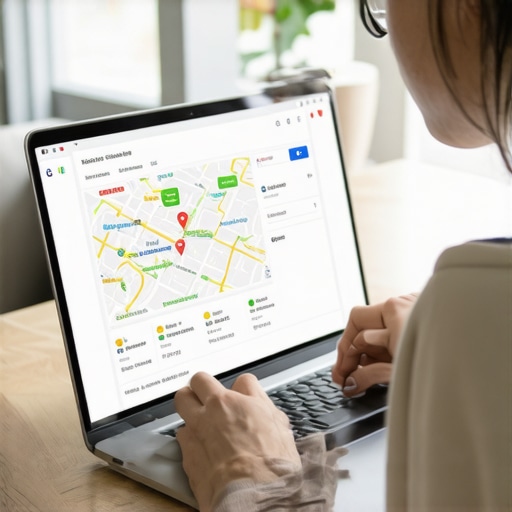
Gather and Manage Reviews Effectively
Reviews are like votes of confidence from your customers, and Google loves them. Aim to get genuine reviews consistently—after all, they’re a key ranking factor. Make it easy for customers to leave reviews by sending them direct links or QR codes. Respond promptly and professionally to all reviews, whether positive or negative, demonstrating active engagement. Positive reviews boost your credibility and improve your local rankings. I once helped a client increase their reviews from 10 to over 50 in just a month by implementing a simple review acquisition strategy. This boost directly translated into higher visibility in the Maps Pack. For advanced review tactics, check this expert resource.
Build Local Links for Authority
Local backlinks act like endorsements from nearby businesses and organizations. They tell Google your business is reputable and relevant. Reach out to local newspapers, chambers of commerce, or community blogs to get featured. Sponsor local events or charities and ask for backlinks in return. I once collaborated with a local gym for a joint promotion, which earned us a high-quality backlink from their site, significantly improving our local ranking. Focus on relevance and quality over quantity—one authoritative local link can outperform dozens of irrelevant ones. For proven tactics, explore this detailed blueprint.
Leverage Local Content and Signals
Create content tailored to your community’s interests—blog posts, videos, or guides about local events, landmarks, or news. These signals help Google understand your relevance to the area. Embed your location in your content naturally. Use local keywords thoughtfully in your descriptions, titles, and metadata. I once optimized a restaurant’s blog with local event coverage, which attracted more local visitors and boosted their Maps Pack ranking. Consistency is key—regularly update your content to stay relevant. For more insights on content strategies, visit this resource.
Monitor and Adjust Your Strategy
Use tools like Google My Business Insights to track your performance—views, clicks, calls, and directions. Regularly analyze your competitors’ profiles to identify gaps and opportunities. Adjust your tactics based on data: if reviews plateau, ramp up review requests; if visibility drops, revisit your profile optimization. I once noticed a competitor’s ranking dip after they neglected their reviews; a quick review campaign helped them regain top spots. Continuous monitoring ensures your efforts lead to sustained dominance. For detailed analytics tips, check this guide.
Many entrepreneurs believe that optimizing their Google Business Profile is a straightforward process centered around keyword stuffing and basic information updates. However, this oversimplified view often leads to missed opportunities and strategic pitfalls. In reality, there are nuanced factors that most overlook, which can significantly influence your ranking in the Google Maps Pack.
One prevalent myth is that having a perfectly filled profile guarantees top placement. While completeness is essential, Google’s algorithm also considers user engagement signals like reviews, responsiveness, and local relevance. Ignoring these elements can cause your visibility to plateau or decline, even if your profile appears fully optimized. For example, responding to reviews promptly and encouraging genuine customer feedback can enhance your local trustworthiness, which Google values highly. To dive deeper into these advanced tactics, check this comprehensive guide.
Are Reviews Really the Most Critical Factor for Rankings in 2025?
Contrary to popular belief, reviews are just one piece of the puzzle. Many assume that accumulating hundreds of reviews automatically boosts rankings. But in my experience, quality and relevance matter more than quantity. Google’s latest updates prioritize reviews that are recent, specific, and reflect genuine customer experiences. Fake or overly generic reviews can even harm your ranking if detected. Additionally, the timing of reviews can influence local relevance—regular review activity signals to Google that your business remains active and trusted in the community. According to Moz’s local SEO experts, reviews combined with other signals like local backlinks and content create a synergistic effect that propels rankings. Learn more about integrating reviews into a broader strategy at this resource.
Another common mistake is neglecting the importance of local link building. Many believe that backlinks are solely a national or broad SEO concern, but local backlinks from reputable community sources carry significant weight. Building relationships with local newspapers, chambers of commerce, and sponsoring community events can earn high-quality links that boost your profile’s authority. Remember, relevance and trustworthiness are key. For advanced link-building tactics specific to local SEO, explore this detailed blueprint.
In summary, the real game in Google Maps Pack rankings involves a holistic approach that balances profile completeness, review quality, local authority, and ongoing engagement. Avoid the trap of thinking there’s a quick fix or a one-size-fits-all solution. Instead, focus on strategic, consistent efforts that align with Google’s evolving signals. Have you ever fallen into this trap? Let me know in the comments.
Staying on top of your local SEO efforts requires more than just initial setup and occasional tweaks. To keep your Google Business Profile performing at its best, I rely on a suite of specialized tools and methods that streamline maintenance and ensure sustainable growth. In this post, I’ll share the exact tools I use personally, why I trust them, and how they help me adapt to future trends in local search optimization.
How do I keep my Google Maps Pack rankings steady over time?
Consistency and data-driven adjustments are key. I use Google My Business Insights daily to monitor impressions, clicks, and customer actions. This helps me identify patterns and respond proactively. Additionally, I utilize specialized SEO dashboards that aggregate data from multiple sources, giving me a holistic view of my profile’s health.
Automation tools save me hours each week. For review management, I depend on BirdEye because it not only consolidates reviews from various platforms but also prompts customers to leave feedback at optimal times. This consistent review flow maintains social proof and boosts rankings. For backlink tracking, I use SEMrush to monitor local link signals and identify new opportunities to build authority. These tools, combined, form a robust system that keeps my profile optimized without constant manual effort.
Looking ahead, I predict the importance of AI-driven analytics will grow. Future tools will better anticipate algorithm changes and customer behavior shifts, allowing for even more proactive strategies. I recommend trying out advanced features in SEMrush or Moz’s local SEO tools to gain predictive insights — it’s a game-changer.
What’s the best way to ensure ongoing profile health?
Regular audits are essential. I schedule bi-weekly reviews of my profile using this comprehensive checklist. This includes checking for outdated information, inconsistent NAP citations, broken links, and new competitor activities. I also set up Google Alerts for my business name and key services, so I receive real-time notifications about any online mentions or issues.
Investing in a reputation management system like Podium or Reputation.com helps me stay ahead of review fluctuations and respond swiftly to negative feedback. This proactive approach not only preserves my rankings but also enhances customer trust.
Finally, I encourage you to experiment with local content updates—such as community event posts or seasonal offers—and track their impact. Use the data to refine your strategy continuously. Remember, maintaining your local SEO presence is an ongoing process, but with the right tools and discipline, you’ll sustain and even improve your rankings over time.
For detailed guidance on all these tools and strategies, visit this comprehensive resource. Ready to take your local visibility to the next level? Start implementing one new tool today and watch your rankings stabilize and grow!
The Hardest Lesson I Learned About Local SEO
One of the toughest truths I faced was that quick hacks won’t sustain your rankings. I spent months obsessing over keywords and neglecting customer engagement, only to see my position slip. Real success came when I prioritized genuine reviews and active community involvement—these built trust that Google can’t ignore.
Why Overconfidence Can Sabotage Your Local Strategy
Early on, I believed that my profile’s completeness was enough. But I learned that engagement metrics like reviews, responses, and local backlinks matter far more. Ignoring these signals was like building a house on sand. Now, I focus on holistic optimization and continuous interaction to stay ahead.
The Power of Authentic Connections Over Tricks
Trying to game the system with fake reviews or irrelevant links was a mistake I’ll never make again. Building real relationships with local organizations and customers creates a sustainable authority that Google rewards. Remember, local SEO is about community, not shortcuts.
My Secret Weapon for Consistent Growth
Tools like SEMrush and BirdEye aren’t just for monitoring—they’re my partners in adaptation. They help me spot trends early and adjust my tactics before the algorithm shifts. This proactive approach keeps my profile resilient and competitive in a changing landscape.
What I Wish I Knew When I Started
Focus on quality over quantity, always. Whether it’s reviews, backlinks, or content, relevance and authenticity outperform superficial metrics every time. Invest in building trust, and the rankings will follow naturally. For a detailed blueprint on implementing these strategies, check this comprehensive guide.
Curated Resources for Local SEO Champions
- Google My Business Insights: Essential for real-time performance tracking and quick adjustments. I rely on it daily to stay on top of my metrics.
- SEMrush: My go-to for backlink analysis and competitive research. It’s invaluable for spotting new opportunities and maintaining authority.
- Reputation Management Tools like Podium: Critical for managing reviews and responding swiftly, which sustains trust and rankings.
- Community Engagement: Sponsor local events and build genuine connections. This creates a network of support and backlinks that Google favors.
Your Turn to Shine in Local SEO
Remember, dominating the Google Maps Pack in 2025 requires a combination of strategic insight and authentic community involvement. Stay adaptable, prioritize trust-building, and use the right tools to keep your profile thriving. The future belongs to those who play the long game—are you ready to lead?
Have you ever struggled with maintaining consistent reviews or building local backlinks? Share your experiences in the comments below—I’d love to hear your story!
,
Leave a Reply