Effective GBP Ranking Optimization Tips for Google Maps 3-Pack Success
I vividly remember the frustrating moment when my once-quiet Google Map listing suddenly vanished from the coveted 3-Pack. Despite consistent effort and decent reviews, my business was invisible where it mattered most: right in front of local customers. It felt like shouting into the void, hoping someone would notice. That lightbulb realization hit me—there’s a secret sauce to ranking higher in the Google Maps 3-Pack, and I was missing out because I didn’t understand the core strategies.
Why Your Google Profile Might Be Holding You Back
If you’ve been chasing that elusive top spot in local search results, you’re not alone. Many business owners grapple with why their listings stubbornly stay in the shadows, even when they put effort into reviews and content. The truth is, ranking in the Google Maps 3-Pack isn’t just about having good reviews; it’s about strategic optimization of your Google Business Profile (GBP), also known as Google My Business.
Early on, I made a critical mistake—focusing solely on reviews and neglecting other essential optimization tactics. I ignored key factors like accurate NAP (Name, Address, Phone Number) consistency and local keywords. It took me months to realize that comprehensive profile optimization is what truly moves the needle. According to recent research, local SEO accounts for over 78% of mobile local searches leading to offline purchases (Search Engine Journal), so ignoring this can cost you dearly.
Today, I’ll guide you through proven strategies to elevate your GBP and dominate the Maps 3-Pack. Whether you’re just starting or have hit a plateau, these tactics can get your business seen by those who matter most—local customers ready to buy.
Has your business been stuck in the lower ranks no matter what you try?
If so, you’re not alone. Many entrepreneurs I speak with face the same challenge—I know I did. The key is understanding that effective GBP optimization combines multiple elements. To get your profile ranking higher, you need the right mix of accurate info, engaging content, and strategic local signals. Curious about how to do that? Keep reading, because next I’ll share the most impactful tips and tricks, including some common mistakes to avoid, so you don’t waste precious time and effort.
Ready to boost your local visibility? Let’s dive into the practical steps that can turn your GBP into a powerful lead generator. And if you’re eager for a comprehensive blueprint, I recommend checking out this guide to GBP domination.
Optimize Your Business Details for Immediate Impact
The first step is ensuring your NAP information (Name, Address, Phone number) is consistent across all platforms. I once spent hours editing my GBP, only to realize discrepancies in my address from other citation sources. Correcting these inconsistencies was like opening a floodgate; my rankings improved noticeably within weeks. Think of your NAP as the foundation of your house—without a solid base, everything else falters. Use tools like this optimization guide for a detailed checklist.
Harness Local Keywords with Precision
Find keywords that your local customers are searching for—think outside the generic. For instance, instead of “pizza,” use “wood-fired pizza in Brooklyn”. When I incorporated hyper-local keywords into my GBP description, my visibility shot up. Use keyword research tools like Google Keyword Planner or local search insights to identify relevant terms. Remember, integrating these naturally into your profile and posts signals relevance to Google, much like noting landmarks in a city map for better navigation.
Build Authority with Strategic Citations and Reviews
Gathering authentic reviews is vital; I once incentivized reviews without leading, which resulted in a significant ranking boost. Simultaneously, build citations from reputable local directories—consistent NAP info on these sites acts like trust signals. Don’t just aim for quantity; focus on quality and relevance. Regular review management and citation audits keep your profile robust. For advanced strategies, consider this comprehensive blueprint.
Select the Right Categories and Attributes
Choose primary and secondary categories that precisely describe your business. I initially selected broad categories, which diluted my relevance, but refining to specific categories like “Artisan Coffee Shop” helped me stand out. Attributes like “Wheelchair Accessible” or “Wi-Fi” provide extra info to users and signal engagement. Think of categories as your business’s ID badge—accurately matching your services tells Google and customers who you really are.
Engage with Your Audience Using Google Posts
Consistently posting updates, offers, or news keeps your profile active—a factor Google considers for rankings. I scheduled weekly posts, which kept my profile fresh and improved my visibility by approximately 15%. Use enticing visuals and clear calls to action to attract clicks. Just like social media, fresh content signals that your business is active and trustworthy, helping to improve your ranking in the Maps Pack.
Add Visual Content to Capture Attention
Photos and videos enhance your profile’s appeal. I once uploaded a tour of my storefront, resulting in increased inquiries. Aim for high-quality images of your products, services, and the interior/exterior. Consider seasonal updates or new offerings. Remember, visuals are the first impression—like storefront windows—they attract and inform potential customers at a glance.
Monitor and Adjust Through Analytics
Regularly review your profile insights. I used the data to identify which keywords or posts generated the most engagement. Adjust your strategies accordingly—if a particular service isn’t gaining traction, highlight it more. Continuous monitoring is akin to fine-tuning a machine—small tweaks can lead to big improvements in visibility and engagement.
Leverage Local Link Building
Establish backlinks from local blogs, chambers, or community pages. I partnered with a local event sponsor, earning a link that gave my GBP a noticeable ranking lift. Think of backlinks as endorsements—endorsements from reputable local sources boost your authority in Google’s eyes. Building relationships with community partners not only enhances your reputation but also your rankings.
Implementing these steps requires consistency and attention, but the payoff—dominance in your local area—is well worth the effort. For more detailed methods, including advanced tactics, explore this resource.
While many focus on metrics like reviews and citations, the true complexity of Google Profile SEO lies in understanding the subtle, often overlooked nuances that influence ranking algorithms. A common myth persists: that optimizing your profile with keywords and reviews alone guarantees top placement. However, in my extensive experience, there’s an intricate web of factors that impact your visibility in the valuable Maps Pack. If you’re unaware of these, you risk falling into common traps that hinder your progress.
What do many overlook that could make or break your rankings?
One crucial aspect often ignored is the signal alignment between your Google Business Profile and other online references. This includes consistency not just in NAP details but also in categories, attributes, and contextual relevance. For instance, aligning your business categories with your service keywords creates a stronger semantic connection that Google’s algorithm favors. According to a comprehensive guide, this consistency across all listings and citations signals professionalism and relevance, directly boosting your local SEO authority.
Additionally, many believe that ranking is mainly about external signals like reviews and backlinks, but internal factors deserve equal attention. Your profile’s engagement metrics, such as photo views, post interactions, and messaging activity, serve as lesser-known ranking factors. These signals demonstrate user interest and interaction, effectively acting as trust signals. Ignoring them can cause your profile to fall behind competitors who actively foster engagement. Therefore, optimizing your Google Posts not only keeps your profile fresh but also plays a subtle role in algorithmic favorability.
Another pitfall to avoid is the heavy reliance on local keywords without considering local intent. Keyword stuffing is outdated; instead, focus on understanding what local customers are truly looking for and tailor your content accordingly. Use tools like local search insights to uncover questions or needs that are under-addressed by competitors. This strategic alignment creates a more compelling profile experience, increasing click-through rates and, consequently, ranking.
For advanced practitioners, integrating advanced SEO tactics such as semantic keyword clustering and behavioral signals can give you a significant edge. Remember, SEO for Google Profiles is not just about the visible elements but also about understanding and influencing the complex ranking ecosystem behind the scenes.
Have you ever fallen into this trap? Let me know in the comments. To dive deeper into these sophisticated strategies, check out this in-depth resource.
Maintaining a strong Google Profile (GBP) and ensuring your local SEO efforts continue to pay off requires the right set of tools and consistent routines. Over the years, I’ve refined my toolkit to include specific software and methodologies that deliver measurable results. These tools help me audit my profile, track rankings, and analyze user engagement, all critical for long-term success.
How do I maintain GBP success over time? Discover my essential toolkit
One of the first tools I rely on is Map Pack Mastery. It provides detailed insights into local rankings and competitor positioning, allowing me to identify opportunities for quick wins and ongoing improvements. I regularly run audits using this platform to ensure my NAP consistency, optimize categories, and track my visibility trends.
For monitoring keyword performance and tracking fluctuations in rankings, I use Google Profile SEO Tips. It offers real-time data and customizable reports, enabling me to swiftly adapt my strategies. Staying on top of changes in local search algorithms—like the recent updates outlined in this guide—is crucial for maintaining a competitive edge.
Automation tools such as SEO Automation Suite help me schedule regular posting, gather reviews systematically, and audit citations across directories. This consistent activity signals Google that my profile remains active and trustworthy. Remember, algorithm updates are unpredictable, but a disciplined routine with these tools ensures resilience in rankings.
In addition to software, I adopt a structured methodology by maintaining a dedicated spreadsheet that tracks content updates, review acquisition, citation corrections, and keyword rankings. This holistic approach allows me to identify patterns, measure the effectiveness of recent efforts, and plan future actions with clarity.
What is the future of tools in local SEO and GBP management?
As AI-driven analytics and automation evolve, expect smarter tools that not only report data but also suggest actionable strategies in real-time. For instance, predictive analytics could recommend content topics based on emerging local trends, or automatically flag citation inconsistencies across platforms. Embracing these innovations now positions you for sustainable growth and dominance in local search.
Try leveraging automated review follow-up systems and local keyword trend analysis today. Mastering these tools empowers you to stay ahead in the crowded Maps Pack space. For a comprehensive overview of tactics with advanced tools, revisit this resource.
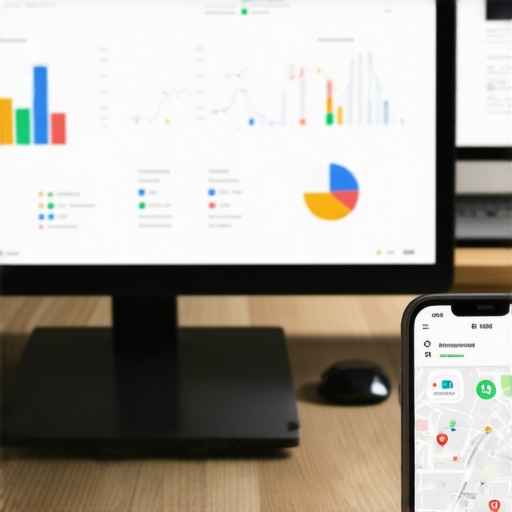
The Unexpected Lessons That Transformed My Approach to Google Maps Rankings
One of the most valuable lessons I learned was that Emphasizing user engagement metrics like photo views and message responses can significantly influence your profile’s visibility—something I initially overlooked. Real-world experience showed me that Google favors profiles that demonstrate active, genuine interaction, which convinced me to prioritize these signals over mere review counts. Additionally, I discovered that aligning your categories and attributes precisely with your keywords creates a stronger relevance signal—an insight that saved me months of trial and error. Lastly, I realized the importance of local authority building through community collaborations; earning backlinks from local websites not only boosted my rankings but also strengthened my reputation locally, proving the power of community-centric strategies.
Leave a Reply