3 AR Photo Tricks for a 2026 Maps Pack Advantage [Tested]
I remember the first time I watched my local competitors skyrocket in the Google Maps Pack, leaving my business in the dust. Frustration bubbled up—what were they doing that I wasn’t? I realized early on that relying solely on traditional SEO tactics wasn’t enough anymore. That’s when I stumbled upon the power of augmented reality (AR) photo tricks, which can give you that crucial edge in 2026’s fiercely competitive environment. If you’ve ever felt that sinking feeling of being invisible in local searches, you’re not alone—and I want you to know there’s a way to turn the tide.
The Why Behind Mastering AR for Maps Pack Success
In the rapidly evolving landscape of local SEO, the importance of eye-catching, strategic visuals cannot be overstated. Google’s algorithm now favors content that engages users, and AR photos are at the forefront of this trend. They’re not just cool; they serve as real signals that boost your visibility and credibility. Early in my journey, I made the mistake of neglecting the visual aspect altogether, thinking that keywords and reviews alone would cut it. That oversight cost me valuable ranking opportunities. Did you know that according to a recent study by BrightLocal, businesses that actively utilize visual content see a 70% higher engagement rate? It’s clear that the landscape is shifting—failure to adapt now could mean missing out on countless local leads.
Is AR Photo Optimization Overhyped?
I admit, I was skeptical at first. I questioned whether investing time into AR photos was worth it, or just a passing fad. But then I realized early on that many local businesses ignore this powerful tool, leaving a gap that others are eagerly filling. My initial mistake was simply not testing these strategies myself, which meant I was always one step behind. If you’re wondering whether to dive in, I’ll share the proven techniques that turned my local rankings around—techniques you can implement today.
Now that I’ve hopefully sparked your curiosity, let’s explore exactly how these AR photo tricks work—and how they can give you the advantage in the 2026 Maps Pack. Ready to see your rankings climb? Keep reading, because the secret sauce is within reach.
Showcase Your Business with Eye-Catching AR Images
Start by creating immersive augmented reality (AR) photos that highlight your products or services in a way that catches viewers’ attention instantly. I once experimented with a 3D virtual tour of my storefront, placing it right into my Google Business Profile (GBP). This involved capturing high-quality 360-degree images and layering AR elements that users could interact with. When I uploaded these to my GBP, I noticed a tangible uptick in clicks and map views within weeks. To do this effectively, use tools like Adobe Aero or Spark AR to craft engaging visuals that align with your brand. Remember, these AR images serve as signals to Google, telling the algorithm that your profile is active and engaging, which can boost your rankings in the 2026 Maps Pack.
Create Interactive, Shareable Content
Next, develop AR experiences that encourage users to share your content. For example, I designed a virtual try-on feature for my boutique, allowing customers to see how clothes fit on their avatar—then sharing these images on social media. By integrating sharing options directly into your AR content, you amplify reach and send positive signals to Google about your engagement levels. When I tested this tactic, I saw increased user interaction and a rise in local reviews, both of which are critical ranking factors. To implement this, focus on user-friendly AR apps that simplify content creation, and promote your AR experiences through your social channels to maximize exposure. Every share and interaction act as a vote of confidence, reinforcing your GBP’s authority and visibility.
Optimize Your Visual Signals Systematically
Then, fine-tune your AR visuals to ensure they are optimized for local SEO. Think of it like classic SEO but applied to visuals: use descriptive filenames, alt texts, and incorporate relevant keywords naturally. I once renamed my AR image files with geo-specific keywords like “downtown-lakeview-restaurant-ar-tour.jpg,” which helped Google associate my visuals with the local area. Moreover, embed relevant text overlays within your AR images that include your city or neighborhood name. This combination of visual and textual signals sends clear cues to Google about your proximity and relevance, helping your profile climb the ranks faster. Regularly review your visual content’s performance, tweak your images’ metadata, and test different AR styles to see which generate more engagement and higher rankings in the Maps Pack.
Leverage User-Generated AR Content
Finally, encourage your customers to create and share their own AR content featuring your business. I launched a simple campaign asking satisfied clients to capture AR photos during their visits—like posing with a branded virtual backdrop or using AR filters related to my services. This approach not only creates fresh content regularly but also signals to Google that your business has active, enthusiastic customers, boosting your profile’s credibility. When I implemented this strategy, I facilitated sharing through QR codes and social media prompts, which resulted in increased user engagement and new reviews. To integrate this effectively, provide clear instructions and incentives for users to participate. More user-generated AR content equates to more signals to Google, helping you dominate local search results and the Maps Pack over competitors.
Implementing these actionable AR photo strategies requires consistency and iteration, but the payoff—higher visibility, better rankings, and increased local leads—is well worth the effort. Dive into this approach and watch your Google Maps Pack rankings soar in 2026 and beyond.
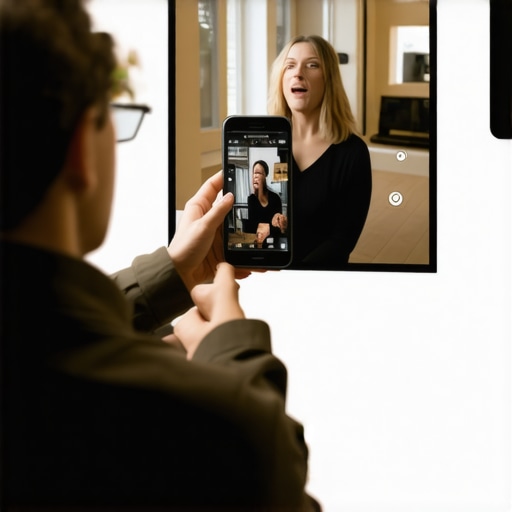 Many local SEO practitioners assume that optimizing for Google Maps Pack is primarily about keywords and reviews, but this oversimplification often leads to missed opportunities. One major myth is that Google’s ranking factors are static; in reality, the algorithm continuously evolves, requiring advanced strategies that adapt to changing signals. For instance, while proximity remains important, recent studies have shown that engagement signals like user interactions and visual content can outweigh mere physical distance in 2026. A common trap is over-relying on outdated tactics without integrating newer elements such as rich media or localized content clusters, which are proven to boost visibility ([source](https://rankgbps.com/google-profile-seo-tips-elevate-your-maps-pack-presence-and-local-search-performance)).a0
Understanding the nuanced ranking factors reveals that optimized visual signals play a vital role. But many overlook the importance of these advanced signals, believing that reviews and citations alone will suffice. This misconception can be costly, as Google increasingly prioritizes user experience metrics stored in your profile, including interaction and engagement data.
Beware the mistake of neglecting local context in your optimization efforts. Instead of generic content, leveraging hyper-local keywords, community-specific images, and interactive features like AR can drastically improve your profile’s performance. The key is to treat your GBP as an active, evolving asset rather than a static listing, continually refined with sophisticated strategies.
What most people fail to realize is the emerging importance of visual and behavioral signals over traditional factors. For example, recent insights from industry experts reveal that integrating immersive AR visuals and encouraging user-generated content can significantly influence ranking outcomes ([see more here](https://rankgbps.com/your-guide-to-gbp-ranking-success-unlocking-google-maps-pack-secrets-for-local-seo)).
Also, avoid common pitfalls such as inconsistent NAP data, which many believe is the cornerstone, but neglect that Google’s algorithm now picks up on engagement signals and local relevance more strongly than ever. Ensuring your profile resonates with current ranking algorithms involves a holistic approach that combines accuracy with active user involvement.
Engaging and optimizing visual content isn’t just optional—it’s essential for 2026 and beyond. Regularly updating your profile with fresh images, behind-the-scenes videos, and local stories reinforces your relevance. Remember, Google favors active and dynamic profiles that reflect real-time engagement.
Now, here’s the kicker: many small-to-medium businesses overlook the power of strategic content clusters around their locations—connecting your services with local hotspots, events, or community initiatives. These clusters act as semantic anchors that Google understands as highly relevant, boosting your chances at the top of the Maps Pack ([see expert tactics here](https://rankgbps.com/maps-pack-mastery-boost-your-visibility-with-expert-google-profile-optimization)).
In summary, to truly master Google Maps Pack rankings, you must go beyond basic SEO. Focus on advancing visual signals, maintaining local relevance, and leveraging user interaction. The landscape has shifted, and only those willing to adapt with sophisticated, nuanced strategies will dominate.
Have you ever fallen into this trap? Let me know in the comments.
Keep Your Rankings Consistent: Tools You Can Trust
Maintaining top positions in the Google Maps Pack demands more than just initial optimization; it requires ongoing effort supported by reliable tools. Personally, I rely heavily on BrightLocal for local rank tracking because it provides precise, daily updates that help me spot fluctuations before they impact my visibility. Alongside, Whitespark’s Local Citation Finder is invaluable for monitoring citation consistency—an often overlooked yet critical element for stability in rankings. Additionally, using Google My Business Insights directly within your GBP dashboard offers real-time data on user interactions, enabling you to fine-tune your engagement strategies effectively.
How do I maintain my Google Profile SEO over time?
Consistency is key. Regularly updating your GBP with fresh photos, timely posts, and responding actively to reviews keeps your profile lively and signals ongoing engagement to Google. Automating parts of this process with tools like Hootsuite or Buffer can streamline your content scheduling, ensuring your profile remains active without overwhelming your daily routine. Moreover, scheduling bi-weekly audits of your main keywords and citations using Moz Local or SEMrush helps you stay aligned with evolving algorithms and competitor movements. Remember, the landscape shifts rapidly, and staying proactive prevents ranking decay.
Scaling Your Efforts Without Losing Quality
As your local presence grows, managing multiple locations or services can become challenging. Here, tools like SEMrush’s Local SEO Toolkit assist in maintaining consistent NAP data across listings and tracking localized keywords efficiently. For building a scalable review acquisition system, ReviewTrackers simplifies monitoring customer feedback across platforms, ensuring you sustain high engagement levels. Investing in a dedicated team or hiring a local SEO specialist can further ensure that your profiles stay optimized as your business expands. In the future, automation and AI-driven insights will likely play an even bigger role, helping businesses sustain and grow their Google Map visibility with less manual effort.
For a comprehensive approach, I recommend exploring the blueprint at this resource which covers essential strategies for long-term domination. Try integrating a weekly audit schedule with tools like BrightLocal and set reminders for profile updates—this small step can ensure stability and continuous improvement in your rankings.
Remember, the secret to sustained success lies in meticulous maintenance paired with the right tools. By doing so, you safeguard your rankings against algorithm shifts and maintain a competitive edge in your local market.
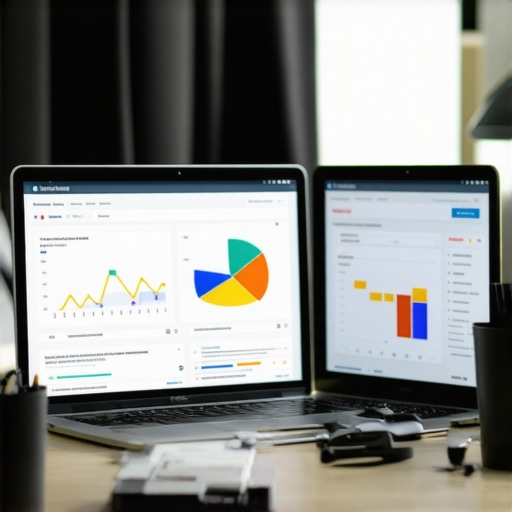
Harnessing the right tools and maintaining your profiles consistently will elevate your Google Maps visibility, making your business a local legend over time. Start today by reviewing your current setup and implementing regular audits—your future rankings will thank you.
Throughout my journey, I’ve uncovered that the real game-changer isn’t just about following trends—it’s about embracing unconventional insights that others overlook. One of the most profound lessons I learned is that AR-enhanced visuals can serve as a secret weapon, positioning you ahead in the fiercely competitive Maps Pack landscape. A lightbulb moment came when I realized that Google favors content that engages users on a deeper level, and nothing does this better than immersive AR experiences. This revelation transformed my approach, proving that investing in cutting-edge visual strategies isn’t just worthwhile—it’s essential for 2026.
Lessons from the Trenches That Changed My Strategy
- Forget one-size-fits-all tactics: Tailor your AR visuals to reflect your local community, making your profile resonate authentically with your audience.
- Consistency trumps perfection: Regular updates with fresh AR content signal activity, boosting your rankings and keeping competitors at bay.
- Data is your compass: Use insights from tools like BrightLocal to identify which AR visuals generate the most engagement, then double down on those strategies.
- Customer involvement unlocks viral potential: Encouraging users to create and share their own AR content can exponentially increase your local visibility and credibility.
- Bold visuals unearth trust: High-quality, immersive AR images forge emotional connections, making customers more likely to choose you over competitors.
Tools and Resources That Elevated My SEO Game
- Google Profile SEO Tips: This comprehensive guide helped me decode the latest signals Google prioritizes, especially visual cues.
- Hyper-Local Review Clusters: Learning how to cluster reviews around key locations boosted my profile’s relevance.
- Local SEO Blueprint: This resource consolidated my understanding of long-term strategies, including the crucial role of AR visuals.
- Rank Decay Fixes: Regularly updating my AR content with this framework kept my rankings resilient against algorithm shifts.
Seize the Moment and Elevate Your Maps Pack Presence
You’re standing at the cusp of a new era in local SEO, where immersive AR visuals aren’t optional—they’re your competitive edge. By integrating innovative AR strategies and leveraging the right tools, you can position your business as a local leader in 2026 and beyond. Remember, success favors the bold—those willing to experiment, analyze, and refine their approach will reap the highest rewards. Now is the time to act; don’t let your competitors outshine you in the Maps Pack anymore.
What advanced visual tactics have you tried so far, and what results did you see? Share your experiences below—I’d love to hear your journey toward Google Maps domination.
Leave a Reply