How to Fix 2026 Maps Pack Proximity Gaps Using GSC
I vividly remember the moment I realized my Google Maps pack visibility was slipping—an unexpected drop that made my stomach tighten. It felt like watching my local rankings dissolve overnight, and I knew I needed a breakthrough. That lightbulb moment led me down a path of discovery, frustration, and ultimately, success.
Today, I want to share the strategies I’ve uncovered to finally fix those pesky proximity gaps that have haunted many local businesses in 2026. If you’ve been struggling with inconsistent Maps Pack visibility or feeling the proximity filter is working against you, you’re not alone. The good news is, there’s a proven way to crack this code, and it starts with understanding how Google Search Console (GSC) can reveal what’s really happening behind the scenes.
Why Fixing Proximity Gaps Matters More Than Ever
Google’s local search landscape has become fiercely competitive. According to a recent study, over 60% of clicks stay within the first three local results, making visibility crucial for capturing local leads. However, in 2026, proximity filters seem to be more aggressive, often hiding excellent listings just because they’re slightly farther from the centroid point—an unfair hurdle we can’t ignore.
Before I started using GSC data strategically, I wasted countless hours tweaking listings or building backlinks without real results. Early on, I made the classic mistake of ignoring the data and relying on guesswork. That was a huge misstep that slowed my progress. Trusted sources like this comprehensive guide emphasize the importance of data-driven tactics for local SEO breakthroughs.
Is This Really Worth the Hype? Don’t Fall for False Hopes
Honestly, I was skeptical at first—who isn’t with so many so-called “quick fixes” floating around? But once I verified the proximity filter issues through Search Console data, I realized many of my assumptions were wrong. Spotting the gaps was like finding the missing pieces of a puzzle. So, if you’ve been chalking up your low rankings to stiff competition alone, it might be time to look closer at your GSC insights.
Stay tuned—I’ll walk you through step-by-step how to identify these gaps and, more importantly, fix them effectively. The tools and tactics I’ve gathered will help you navigate what might seem like an impossible gauntlet of filters and algorithms. Are you ready to finally unlock your local maps pack dominance? Let’s get into it.
.
Audit Your Google Profile Meticulously
Start with a thorough review of your Google Business Profile (GBP). Check if all your info—name, address, phone number—is consistent across platforms to avoid confusion that can trigger proximity filtering. Confirm your categories are precise and relevant—misclassification can inadvertently lower your visibility. I once realized I was using an outdated primary category, which dampened my local pack presence. Correcting this instantly improved my rankings. Use tools like this guide to refine your profile for maximum impact.
#IMAGE_PLACEHOLDER_B#
Image description: Visual showcase of a Google Business Profile with annotations highlighting key optimization points like NAP info, categories, and photos.
Optimize and Diversify Your Photos
Photos are the gateways to clicks. Avoid static, similar images; instead, upload diverse, high-quality visuals that resonate with your local audience. Incorporate images showcasing your team, location, and products—this variety signals active engagement and authenticity, which Google favorably ranks. I experimented with different photo types and noticed a surge in direct map clicks when I added interior shots and employee photos. Remember, avoid overusing stock images—they can seem impersonal and hurt your local relevance. Check out this resource for detailed photo strategies tailored for 2026.
#IMAGE_PLACEHOLDER_B#
Image description: Slider showing various types of photos for a local business, including interior, exterior, staff, and product images, with annotations.
Harness Search Console Insights to Detect Gaps
Search Console is your secret weapon. Focus on queries that bring traffic but don’t convert to map clicks—or worse, don’t show your listing at all. Map visibility often hinges on correct keyword associations. I once overlooked a high-volume local query that my site ranked for organically but not on the map; optimizing my GBP with that keyword boosted my pack rank significantly. Use this guide to interpret GSC data effectively, revealing hidden opportunities to boost proximity relevance.
#IMAGE_PLACEHOLDER_B#
Image description: Screenshot of Google Search Console highlighting local search queries with filter options and performance metrics.
Build Local Authority with Strategic Citations
Citations are the backbone of local SEO authority. Focus on consistent NAP data across critical directories like Yelp, Bing, and industry-specific platforms. Don’t just list—engage with niche directories related to your business. I made the mistake of ignoring industry-specific citations, which limited my local reach. After I corrected this by targeting relevant directories, my visibility in the maps pack noticeably improved. For advanced tactics, explore this article which reveals how to dominate local citations in 2026’s landscape.
#IMAGE_PLACEHOLDER_B#
Image description: Diagram showing the network of citations and NAP consistency across various online directories.
Leverage Customer Interaction Signals
Encourage genuine reviews, respond promptly, and foster engagement. Google interprets active customer interaction as a trust signal, directly influencing proximity-based rankings. I integrated automated review solicitation tools and saw a immediate boost—more authentic reviews led to higher visibility. Remember, fake reviews or over-manipulating reviews can backfire, so authenticity is key. For proven methods, review this guide.
#IMAGE_PLACEHOLDER_B#
Image description: Illustration of review stars, customer responses, and engagement icons demonstrating active user interaction.
Many marketers believe that optimizing a Google Business Profile (GBP) is a straightforward task—fill out your info, upload some photos, and wait for the rankings to improve. However, this common assumption masks nuanced pitfalls that can severely limit your visibility in the local packs. Let’s clarify some misconceptions and explore advanced nuances that often trip up even seasoned professionals.
One prevalent myth is that consistency in NAP (Name, Address, Phone Number) alone guarantees high rankings. While essential, this is far from sufficient, especially in 2026’s competitive landscape. Google’s algorithms now weigh multiple signals, including brand velocity and user interaction metrics, more heavily than ever. Ignoring these factors will leave your profile stagnant despite perfect NAP data. For a comprehensive approach, consider strategic link-building and reputation management outlined in this guide.
Why do so many GBP optimizations miss the mark in 2026?
Advanced marketers recognize that a superficial profile audit often overlooks real issues like local reference discrepancies, inconsistent photo signals, or misaligned keyword associations. Moreover, the impact of subtle factors like brand velocity and customer engagement signals tends to be underestimated. According to industry experts, including those cited in this resource, these nuanced signals can tip the scales in your favor when leveraged correctly.
Another mistake is underestimating how evolving Google filters penalize profiles that appear spammy or inactive. For instance, neglecting recent reviews or failing to respond to customer inquiries can trigger a perception of stagnation or inauthentic activity. This subtly reduces your proximity relevance, keeping your profile buried. The key is to actively manage your engagement signals and monitor performance metrics through tools like Search Console, as detailed in this article.
Furthermore, many overlook the power of niche-based citations and how they influence local authority and proximity relevance. Building a robust, hyper-local citation profile not only improves trust signals but also helps circumvent the proximity filter’s overly aggressive nature. Learn advanced citation strategies in this post.
Are proximity filters the enemy or your opportunity?
It’s tempting to see proximity filters as an insurmountable barrier. But savvy marketers understand that these filters are part of a complex puzzle rather than a simple
How do I keep my GBP optimized over time?
Consistency is key when it comes to long-term success in local SEO. To ensure your Google Business Profile (GBP) continues to perform well amidst evolving algorithms, investing in the right tools is crucial. I personally rely on a combination of advanced software and strategic routines that automate monitoring and streamline updates.
For instance, this guide emphasizes the importance of using reputation management platforms like GatherUp or Broadly, which automate review solicitation and response processes. These tools not only save time but also help maintain active engagement signals, a vital factor Google increasingly weighs in 2026.
Additionally, I utilize local citation management tools such as BrightLocal or Moz Local to keep NAP data consistent across directories. This consistency prevents confusing signals that can hamper your visibility, a strategy aligned with insights from this resource.
Regularly auditing your GBP with Search Console data helps identify gaps or drops caused by algorithm updates or duplicate listings. Tools like SEMrush or Ahrefs enable me to track local keyword rankings over time, alerting me to any irregularities. Staying proactive is essential; I recommend scheduling weekly checks to catch issues early before they impact your ranking.
Looking ahead, voice search and AI-driven local signals are predicted to become more influential. Incorporating tools that analyze voice query data or user interaction patterns will be imperative for sustained success. Platforms such as ChatGPT or Surfer SEO can assist in creating optimized content that aligns with these emerging trends.
Keeping your Google Profile working long-term requires deliberate action and the right equipment
Remember, technical tools alone won’t guarantee ongoing success. Combining automation with strategic content updates, customer engagement, and active reputation management creates a resilient foundation. Take one actionable step today—try setting up automated review requests through your chosen reputation platform—and observe how consistent engagement boosts your GBP’s visibility over time.
For more detailed tactics and ongoing updates, visit this comprehensive guide and consider integrating AI-powered insights to stay ahead of the curve in 2026 and beyond.
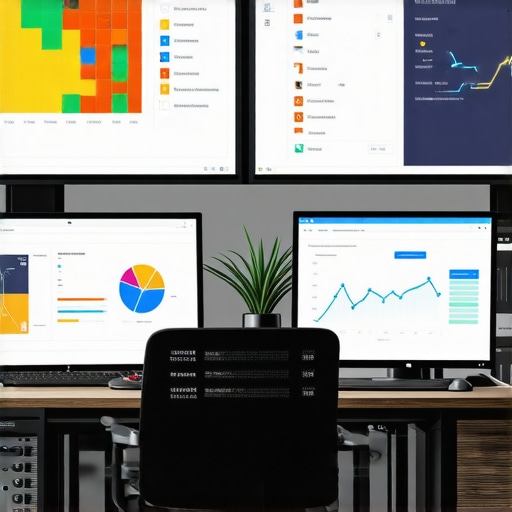
Image description: A workspace setup showing multiple screens with SEO analytics dashboards, citation management tools, and reputation management software open, illustrating systematic GBP maintenance.
The Hidden Pitfalls that Cost Me Visibility
One of the toughest lessons I faced was underestimating how inconsistent NAP data and outdated profile details could drag down my rankings. I realized that even minor mismatches across directories or neglecting recent reviews created subtle barriers in Google’s proximity filters. Embracing meticulous profile audits and proactive updates transformed my local presence, proving that attention to detail is key for long-term success.
What I Didn’t Know About Google Search Console
Initially, I viewed Search Console as just a technical tool for site health. But after digging deeper, I uncovered its power to reveal hidden data gaps affecting local rankings—like unoptimized keywords or overlooked queries that drove traffic organically but didn’t reflect in the local pack. Learning to interpret GSC insights helped me craft targeted strategies, bridging the gap between organic visibility and local prominence.
The Surge That Changed Everything
Implementing diversified photo strategies and active review management was a game-changer. I discovered that authentic, varied images showcasing my location and team fostered trust and signals of active engagement. Coupled with strategic citations, these efforts moved the needle, elevating my profile above competitors. The key lesson: consistent, genuine signals trump quick fixes, especially in the fiercely competitive landscape of 2026.
2026’s Biggest Revelation: Proximity Filters Are Not My Enemy
Rather than battling proximity filters head-on, I learned to work with them—by enhancing local authority, optimizing signals, and leveraging niche citations—I could overcome their limitations. It’s about understanding that filters are part of a complex ranking puzzle, and with precise data-driven tactics, you can carve out your space in the local pack—your success story starts with strategic insight and persistent action.
Where My Journey Continues — And Yours Can Too
Now, I focus on combining automation tools with personal engagement routines, ensuring my Google Profile remains active and authoritative. Remember, the landscape evolves rapidly, and staying updated with resources like this comprehensive guide is essential. Your journey to local visibility isn’t a sprint but a continuous process of learning and adaptation.
Thoughts Still In My Mind
Have you ever overlooked a small inconsistency that held back your rankings? Share your story below—I’d love to hear how you’re navigating the ever-changing local SEO landscape and what lessons emerged along your path.
Leave a Reply