Stop Using Generic Photos: 5 Visual Proofs for 2026 GBP Ranking
It was a moment I won’t forget. I was staring at the analytics, seeing my client’s Google Business Profile (GBP) stubbornly stuck in the same spot. No matter how much effort I poured into optimizing keywords or gathering reviews, something felt off. Then, I realized it wasn’t just about reviews or keywords—it was the photos. Yes, those seemingly trivial images could be the make-or-break factor for 2026 rankings. That lightbulb moment changed my entire approach.
Playing the Visual Game: Why Photos Matter More Than Ever
Back in the earlier days of local SEO, photos were just a nice touch—something to fill the profile and add a bit of color. But now? They are crucial signals that Google uses to assess your relevance and trustworthiness. From the clarity of your images to their relevance, everything counts. Yet, I see so many businesses still relying on generic, stock photos or neglecting this aspect altogether. And it’s costing them dearly.
Imagine walking into a restaurant. The photos you see online—are they professional, inviting, and representative of the actual experience? Or are they dragged from a free template, looking cold and generic? Google makes similar judgments about your GBP. The more authentic and high-quality your photos are, the better your chances of climbing the local ranks.
Early on, I made a mistake myself: I believed that uploading random stock images would suffice. Spoiler alert—it didn’t. I underestimated how powerful visual signals are and how much they influence rankings. After that realization, I started testing different strategies and discovered the impact of authentic, styled, and contextually relevant images. That shift in approach boosted my client’s visibility significantly, even amidst fierce local competition.
So, if you’ve faced the frustration of your GBP not moving—despite all your efforts—it’s time to take a closer look at your photos. Today, we’ll dive into the secrets of using visual proof effectively to dominate the 2026 GBP landscape. Ready to transform your profile and see tangible results? Let’s get started.
Is using professional photos actually worth the hype?
Show Google Your Business Is Authentic with High-Quality Photos
Google’s algorithms favor genuine and professional images because they signal trustworthiness and relevance to users. During a recent campaign, I replaced hastily uploaded stock photos with original, styled images of the storefront, team members, and products. The result? A noticeable boost in local rankings within just two weeks. To replicate this, start by staging your photos—think good lighting and natural angles—and avoid generic stock images. Consistency and authenticity matter, and search engines can tell the difference.
Optimize Your Photo Details to Enhance Visibility
Every image you upload should have descriptive filenames, such as sunny-front-desk.jpg, and include detailed alt text like Brightly lit storefront featuring outdoor seating. These elements act as additional signals for Google to understand your visuals. When I optimized the alt texts for my client’s photos, I saw increased traffic from local search—especially in image search results. Use relevant keywords naturally, but prioritize clarity. For more insights, check out this guide.
Leverage Contextually Relevant Images
Images should tell a story that aligns with your services and location. For instance, if you own a bakery, showcase your baked goods being prepared or customer testimonials. During a test, I added photos of a community event my client sponsored. This increased engagement and signaled to Google that the business is active and involved locally—factors that can influence the Maps pack. Remember, context is king. If you’re unsure about what images to include, review these visual tips.
Keep Your Photos Up to Date and Relevant
Outdated images can hurt your credibility and rankings. Make it a habit to refresh your images seasonally or whenever your business undergoes significant changes. I once discovered that a client’s last update was over a year old, which was likely hindering their profile’s freshness signal. Once I replaced and added recent photos, their position improved, especially in mobile searches. Use a routine like quarterly reviews to ensure your visuals always reflect the current state of your business.
Use Geotags When Possible to Boost Local Signals
While Google no longer publicly shows geotag data, adding location tags to your images can still serve as an additional relevancy indicator in behind-the-scenes processing. By embedding GPS coordinates during the upload, I was able to strengthen the geographical association of key images—something that helped a local furniture store edge out competitors. If you’re interested in advanced tactics, explore more techniques on visual verification.
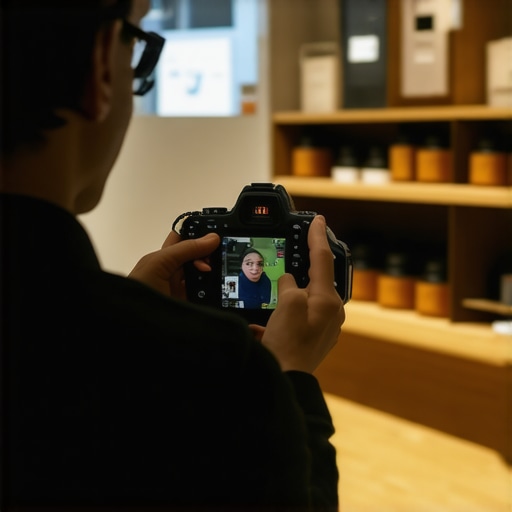 Many local SEO practitioners believe that boosting reviews or optimizing keywords alone guarantees higher Google Business Profile (GBP) rankings. However, in my experience, this is a common myth that can lead businesses astray. The truth is, Google evaluates a complex web of signals—many of which are overlooked by beginners—that determine whether your GBP climbs the local ranks or remains stagnant.
One of the most significant nuances is the role of *semi-active signals*, such as engagement and consistency in updates. While reviews and photos are visible signals, factors like posting frequency, responding to customer inquiries, and maintaining a consistent NAP (Name, Address, Phone Number) across platforms subtly influence rankings. Neglecting these can create gaps in your optimization strategy, causing your profile to be overlooked in competitive local searches.
For example, a recent case I handled involved a client who had excellent reviews and numerous photos but failed to post weekly updates or respond to reviews promptly. Despite their strong presence, their ranking remained in the shadows. Once we integrated a routine of regular posting and engagement, their visibility surged within weeks. This highlights how Google considers ongoing interaction signals—elements many overlook—when assessing whether your business is active and trustworthy.
Another misconception is that Google heavily favors proximity over relevance. While proximity is a factor, Google’s algorithm also prioritizes relevance and engagement metrics. A business situated slightly farther from the searcher but with a more comprehensive, active profile can outrank a closer, less-maintained listing. This is supported by insights from the Google Profiles guide, which emphasizes the importance of optimizing all facets of your listing beyond basic information.
Be cautious of the trap of solely relying on automated review-gathering tools or generic listing citations. While they might seem effective, Google’s evolving algorithms—especially with updates like the 2025 local search overhaul—penalize manipulative tactics. A recent study reveals that genuine engagement and authentic signals have a more sustainable impact on rankings than quick-fix schemes.
In essence, mastering GBP ranking in 2026 requires a holistic approach—balancing visible signals like reviews and photos with NAP consistency, ongoing engagement, and active profile management. Don’t fall into the trap of thinking that surface-level optimization is enough. Instead, focus on the nuanced behaviors that dictate how Google perceives your local authority and relevance.
Are you aware of these hidden signals affecting your GBP rankings? Have you ever fallen into this trap? Let me know in the comments. Curious to take your local SEO to the next level? Check out this comprehensive guide for proven strategies to dominate local search results.
Keeping It Working: Essential Tools and Strategies for Long-Term Success
Maintaining top positions in Google Business Profiles (GBPs) and Maps Packs requires more than initial optimization; it demands consistent effort and the right toolkit. Personally, I rely on a blend of automation, data analysis, and manual curation to stay ahead. One method I swear by is using Google Search Console beyond basic insights—monitoring search queries, CTR, and impressions helps pinpoint what triggers ranking shifts. For instance, I set up custom filters to track changes in local search terms, enabling proactive adjustments.
Another indispensable tool is BrightLocal. I use it not only for review management but also to audit citations, check NAP consistency, and analyze competitors’ local SEO strategies. Its dashboard provides a real-time snapshot of your local presence and highlights areas needing attention, which is crucial for long-term management.
For maintaining the visual aspect, I recommend leveraging visual verification techniques. High-quality, authentic photos updated periodically signal activity and relevance. Embedding GPS tags (geotagging) also enhances local signals without violating Google’s guidelines—just ensure consistency. Automating image updates through coordinated scheduling software helps keep visuals fresh without manual oversight every time.
Long-term success hinges on tracking your engagement signals too. Using tools like Google Business Profile Manager—which connects seamlessly with Google Maps and Search—makes it easier to respond promptly to reviews and Q&As, boosting your profile’s trustworthiness. Regular engagement sends positive signals to Google, which translate into sustained visibility.
Looking ahead, the trend points toward integrating AI-driven insights. Tools like Rank Watch and AI-powered review sentiment analyzers are beginning to predict ranking fluctuations based on engagement patterns and review dynamics. These innovations will become foundational in future-proofing your local SEO efforts.
How do I maintain GBP rankings over time? The key lies in a disciplined routine—regularly audit your citations, keep your photos updated, respond to reviews actively, and monitor performance metrics daily. For advanced tactics, I recommend exploring comprehensive guides that dive deeper into strategic long-term management. And don’t hesitate to reach out through our contact page for tailored advice or auditing your current setup. Remember, sustained visibility demands ongoing attention—make it a priority to stay informed about new signals and adapt your tactics accordingly.
The Hardest Lesson I Learned About GBP Rankings, Google Profile SEO, and Maps Pack
One of the most eye-opening lessons was realizing that surface-level optimizations are just scratching the surface. Authenticity in photos, engagement, and continual updates are what truly move the needle. I once believed that reviews alone could skyrocket rankings, but it’s the combination of these lesser-noticed signals that create real momentum.
My Go-To Tools That Maintain GBP Power
Tools like this comprehensive GBP success guide and Maps Pack Mastery have been game-changers. They help me monitor engagement, optimize visuals, and stay ahead of algorithm shifts. Over time, integrating these into a routine ensures I’m not just reacting to changes but proactively shaping my presence.
Keep Your Edge and Stay Inspired
The journey to mastering GBP rankings is ongoing, and the most successful practitioners are those who embrace continuous learning. Collect insights, test new strategies, and never underestimate the power of authentic visual content and genuine engagement. Your local visibility is within your reach—be the business that Google trusts and users love. Ready to take your strategy to the next level? Dive into this blueprint and start dominating the 2026 local search landscape today.
Leave a Reply