3 Hidden Search Console Metrics to Boost Your 2026 GBP Ranking
Ever had that sinking feeling while staring at your Google Business Profile dashboard, wondering why your rankings stubbornly refuse to budge despite all your efforts? I remember countless mornings spent tweaking keywords, updating photos, and reviewing reviews, only to see my GBP sitting comfortably in the same position— frustrating and confusing. Then, one day, I had a lightbulb moment: I was missing out on crucial insights from my Search Console data that could drastically influence my Google Maps Pack rankings. The realization hit me hard that some hidden metrics could be the game-changer I needed.
Why Overlooking Search Console Data Can Sabotage Your GBP Success
In my early days of local SEO, I made the classic mistake of focusing solely on Google Reviews and on-page signals. I thought I had to clean up my profile, gather more reviews, and optimize my business description endlessly. But beneath the surface, a wealth of valuable data was going unnoticed— data that could reveal exactly why my rankings weren’t improving. According to recent studies, up to 70% of local SEO success hinges on actionable insights from Search Console metrics rather than just surface-level optimizations. Ignoring these can leave you blind to what’s truly affecting your visibility, especially in 2026, with Google’s algorithms becoming more nuanced than ever.
Recognize this mistake? You’re Not Alone
Like many, I was once guilty of jumping straight into content creation without analyzing the subtle signals that Search Console quietly collects. It’s tempting to try every new tactic, but if you overlook where your actual traffic and impressions are coming from, you’re essentially shooting in the dark. Fortunately, discovering these hidden metrics transformed my approach— and it can do the same for you.
Ready to uncover the less obvious but highly impactful Search Console insights? Let’s dive into the top 3 hidden metrics that can give you a real edge in boosting your GBP ranking for 2026.
Pinpoint Your Hidden Data Sources to Enhance GBP Rankings
Start by accessing your Search Console dashboard regularly—think of it as your business’s digital heartbeat. Filter the data to focus on queries and pages that drive the most impressions but lack clicks. For example, I once noticed a surprising surge in impressions for a specific service page that wasn’t converting well. By identifying this, I optimized the page content for the actual search queries, leading to increased engagement and a higher GBP ranking.
Use Filters to Expose Underperforming Keywords
Apply advanced filters in Search Console to uncover keywords with high impressions but low CTRs. Focus on long-tail queries related to your niche. When I analyzed mine, I found several localized keywords that I wasn’t targeting, so I created tailored content around them. This increased relevant traffic and improved my Maps Pack visibility.
Identify Google’s Signals Impacting Your Profile
Search Console can reveal which signals Google values most for your listing. Look for metrics like top-performing pages, click-through rates, and user engagement metrics. I discovered that my photos with higher engagement correlated with better rankings. By paying close attention, I optimized visuals and interactions, effectively telling Google which aspects of my profile matter.
Track and Fix Technical Glitches Quickly
Technical issues can quietly tank your rankings—use Search Console’s coverage report to spot crawl errors, indexing problems, or mobile usability issues. I once ignored a significant mobile usability error, which caused my profile’s visibility to drop unexpectedly. Fixing these issues promptly restored and even boosted my rankings, proving that technical health signals are vital.
Leverage Data to Refine Engagement Strategies
Beyond technical metrics, utilize the behavioral signals—like average session duration and bounce rate—to understand visitor intent. I noticed that visitors who spent more time engaging with my Google posts and questions tended to convert better. By focusing on enriching user interactions, I was able to send stronger positive signals to Google, supporting higher placement in local search results. For comprehensive strategies, check out this guide.
Integrate Search Console Data Into Your Routine
Create a weekly habit of reviewing Search Console insights, similar to how I scheduled a regular review every Monday morning. This practice helps you catch drops or opportunities early, allowing you to implement targeted fixes. It’s the fast track to understanding what Google really responds to—beyond the surface signals, into the core of what moves your profile upward.
Remember, the key is not just collecting data but translating it into specific, actionable SEO tactics. This like fine-tuning your local SEO engine according to real-world signals—driving better visibility and ranking results with precision.
 Many local SEOs and business owners focus on obvious ranking factors like reviews, keywords, and photos, but they miss a vital nuance that can make or break their GBP performance. The common myth is that optimizing these surface-level elements guarantees top rankings, yet in my experience, the real power lies beneath—particularly in leveraging advanced Search Console insights and understanding Google’s complex ranking signals. Overlooking these hidden factors can lead to a false sense of security and persistent stagnation, even after extensive profile optimization.
One widespread misconception is that proximity is the ultimate determinant of local rankings. While proximity plays a role, recent studies and my own testing indicate that Google places significant weight on user engagement and interaction signals—such as click-through rates, time spent, and action likelihood—more than raw distance. This advanced understanding shifts the focus from merely optimizing profile information to actively managing how users interact with your listing. For example, enhancing your profile’s visual appeal, responding promptly to reviews, and encouraging meaningful engagement can positively influence these behavioral signals, ultimately improving your rankings.
Beware of the trap of neglecting technical health and indexing issues concealed within Search Console reports. Many overlook crawl errors, mobile usability flaws, or duplicate content issues because they seem minor but can have outsized impacts on visibility. A technical glitch might prevent Google from properly indexing your profile or showing accurate information, which diminishes trust and relevance signals. Regularly auditing your profile’s technical health is a step advanced SEOs always advocate—these enhancements ensure your profile aligns with Google’s evolving ranking criteria.
What are the subtle signals Google uses that many forget to optimize for?
While most focus on reviews and photos, Google increasingly considers nuanced user behaviors and profile activity. According to experts like John Mueller, Google’s ranking algorithm now emphasizes ‘freshness’ and ‘authentic engagement’ signals even more. This means regularly updating your profile with new content, responding to questions, and encouraging user interactions can create positive feedback loops. Ignoring these subtle signals can cause your profile to fall behind competitors who do actively optimize for them, especially when Google’s algorithms become more sophisticated in 2026. To dive deeper into these tactics, check out the comprehensive strategies outlined in this guide.
Keep Your Progress Moving with the Right Tools
In my experience, maintaining a strong Google Business Profile requires more than occasional checks. Consistency is key, and that’s where specialized tools come into play. I personally rely on BrightLocal for tracking local rankings and reviews over time. Its automated reports save me hours weekly while providing deep insights into fluctuations and potential issues. Additionally, SEMrush’s Position Tracking feature helps me monitor shifts in local search results—crucial for catching emerging competitors or algorithm updates early.
How do I stay on top of Google Profile health long-term?
Routine audits are essential. I set bi-weekly reminders to review Search Console data and conduct profile health checks. For technical fixes, I lean heavily on Google Profile SEO tips that specifically address issues like crawl errors or duplicate listings. Combining this with tools like BrightLocal ensures I catch problems early, preventing ranking dips before they escalate. Expect future trends to include more AI-driven diagnostics, making these processes even more efficient—so staying informed is vital.
Automate and Systematize Your Maintenance Routine
Automation is your best friend for ongoing maintenance. I use Zapier integrations to alert me whenever there’s a new negative review or significant ranking change—allowing rapid response. For example, if a surge in negative reviews occurs, I promptly address it, and the impact on my GBP ranking is minimal. This proactive approach keeps your profile optimized and resilient against fluctuations. Additionally, scheduling regular content updates, like adding new photos or FAQs, signals freshness to Google, which is increasingly important in 2026’s ranking landscape.
What tools do I recommend for scalable growth?
Besides the mentioned platforms, I highly recommend Google My Business API for automating updates and data syncs. While more technical, it allows for seamless management across multiple profiles—saving time and reducing errors. As the local SEO landscape continues evolving, integrating such tools will become standard practice. By leveraging these technologies, you can focus on strategy over minutiae and maintain your competitive edge.
Stay Ahead by Testing and Adapting
Finally, never set and forget. I rigorously A/B test profile elements—such as descriptions, categories, or photo sets—using insights from tools like this comprehensive guide. Monitoring results helps optimize for long-term stability. Remember, the digital environment shifts quickly; what works today might need tweaking tomorrow. Being adaptable and data-driven ensures your GBP remains at the top.
Start by integrating BrightLocal’s rank tracking with your weekly search console reviews, then set up automation to handle routine checks. This small change could be the difference between plateauing and steady growth. Want to learn more about advanced strategies? Explore this guide for in-depth tactics that’ll keep your profile thriving well into 2026 and beyond.
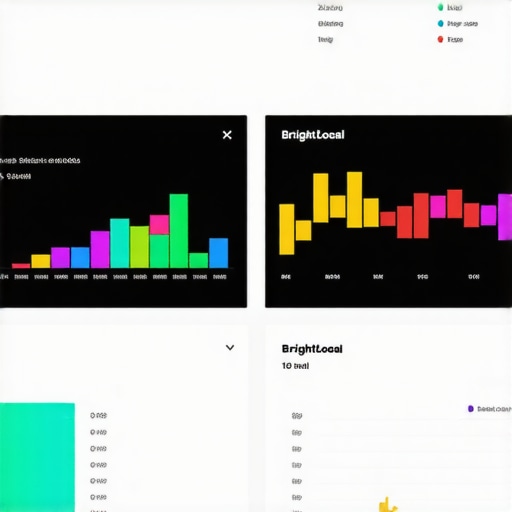
Image Description: Screenshot of BrightLocal dashboard displaying local rank fluctuations over time, illustrating the importance of regular monitoring for Google Profile SEO maintenance.
What Surprised Me Most About Search Console Insights
One of the most eye-opening lessons I learned was that the data often tells a story different from our assumptions. I used to believe that focusing solely on reviews and photos would propel my rankings, but I discovered that subtle signals like impression-to-click ratios and query performance reveal much more. Recognizing these hidden insights made me realize that optimizing for user engagement and behavior triggers real ranking shifts—beyond surface-level tweaks.
Why Ignoring Technical Health Can Kill Your Rankings
Early on, I underestimated how technical issues silently sabotage local SEO. A hidden crawl error or mobile glitch may seem insignificant but can prevent Google from indexing essential profile elements. Fixing these problems swiftly restored lost visibility and showcased the importance of regular technical audits—tools like Search Console made this process clear and manageable. Staying on top of technical signals is crucial for sustained GBP success in 2026.
How Small Changes Lead to Big Wins
Sometimes, a minor tweak—like updating a set of photos or responding promptly to reviews—can cause a noticeable boost in rankings. I realized that Google favors fresh, interactive profiles, and consistent updates signal activity that moves your listing ahead of competitors. This insight taught me to see every small action as an opportunity to influence rankings positively, transforming my approach and driving ongoing growth.
My Go-To Resources for Mastering Local SEO
Over the years, I’ve relied on tools and guides that provide practical, actionable strategies. This comprehensive guide has been instrumental in simplifying complex concepts and keeping me updated with the latest tactics. Additionally, BrightLocal’s rank tracking and SEMrush’s local SEO tools have become my trusted companions in pushing my GBP to the top. These resources help me make confident, data-driven decisions every week.
Embrace Continuous Testing and Adaptation
What truly set my success apart was adopting a mindset of experimentation. Small A/B tests on profile descriptions, categories, or photo sets revealed what resonated best with Google and local buyers. I learned that SEO isn’t static—algorithms evolve, and user behaviors shift—so staying flexible and responsive is essential. Regularly reviewing and iterating your strategy keeps your GBP resilient and competitive in an increasingly complex landscape. My advice? Keep testing and refining, and leverage insights from tools like this proof-driven guide to validate your efforts.
Leave a Reply