Why Your Local Calls Flatlined: 3 GBP Ranking Fixes for 2026
I’ll never forget the moment I glanced at my client’s dashboard and saw the numbers—flatlining. No new calls, no inquiries, just silence. It was as if the local buzz had vanished overnight. That lightbulb moment hit me hard: I realized I’d been missing something crucial in my Google Profile SEO strategy, something that would become even more critical in 2026. If you’re reading this, chances are you’ve experienced that sinking feeling—your local calls stagnant, your rankings stuck, and no matter what tweaks you try, nothing moves the needle.
The Real Why Behind the Call Drop
Google’s local algorithm is evolving faster than many of us can keep up. What worked last year might not cut it today, especially with the upcoming 2026 changes. The truth is, without understanding the new signals and adjusting your strategy accordingly, your GBP can flatline just like mine did. This isn’t just about random tweaks; it’s about leveraging the right tactics that align with the latest algorithm shifts.
Are We Overhyping the Rankings? Maybe.
Let me be honest—I once believed that a few fake reviews and generic photos were enough to rank high. I was wrong. Early on, I made a mistake by neglecting user interaction signals and failing to optimize for new filters introduced in 2026. That oversight cost me valuable local traffic. Trust me, I’ve been where you are now, and I’ve learned that understanding the changing landscape isn’t optional; it’s essential for survival. Curious to see how you might be unknowingly holding back your GBP? Check out this guide for foundational tips to get started.
Today, we’re going to uncover the top three fixes that helped me resurrect my rankings—and I’ll guide you through the same process. If you’ve faced similar frustrations, keep reading. The solutions aren’t complex, but they require awareness of the latest shifts. Ready to turn things around? Let’s dive into what truly moves the needle in 2026.
Optimize Your Google Business Profile Regularly
Consistent updates signal activity and relevance to Google’s algorithm. Start by reviewing your profile weekly, ensuring all information stays current. Add new photos, respond to reviews promptly, and verify your business hours and categories. For example, I once focused solely on static info, but after implementing weekly updates, I saw a noticeable shift in rankings within a month. Think of your profile as a living entity that needs regular attention to thrive.
Enhance Visual Content Strategically
High-quality, relevant images are crucial in 2026. Avoid generic stock photos; instead, showcase authentic visuals of your products, storefront, or team. Remember, visual signals can impact clicks and engagement—think of them as the storefront window attracting neighborhood foot traffic. I learned this from a case where swapping out mediocre images for professional shots caused a 20% increase in profile interactions. For detailed insights, see this guide.
Leverage User Interaction Signals
Engage actively with your audience by responding to reviews and questions. Encourage satisfied customers to leave detailed reviews, emphasizing specific aspects like service quality or ambiance. These interactions act as positive signals for Google. I tested this by replying to 10 reviews daily and noticed a steady rise in local pack visibility. Cultivating genuine engagement is like planting seeds—consistent effort yields long-term growth. For proven tactics, visit this resource.
Manage Local Relevance Through Content and Keywords
Embedding localized keywords naturally into your profile description and service posts can boost relevance. Use tools like Google Search Console to identify high-value keywords specific to your area, then integrate them seamlessly into updates. This approach is akin to tuning a musical instrument—precision ensures your profile hits the right note in local searches. I improved my rankings by adding neighborhood-specific terms, resulting in more local inquiries. Learn how to refine this strategy at this article.
Address Local Signals That Matter
Focus on signals like proximity, local backlinks, and consistent NAP (Name, Address, Phone) data. For instance, building relationships with nearby businesses and earning local backlinks strengthens your profile’s authority. I once collaborated with a local charity, earning a backlink that contributed to a rise from page three to top of the pack. Think of these signals as a network of trust—credible references greatly influence your ranking in the 2026 algorithm. For advanced tactics, check this guide.
Ensure Your Site and Profile Are Fully Synced
Google favors profiles that are consistent and connected to an optimized website. Link your GBP to a fast, mobile-friendly website with clear contact info, service pages, and localized content. Regularly audit both profiles and website content for discrepancies to prevent ranking drops. Think of this as ensuring your business’s handshake is firm and trustworthy—gaps erode trust and visibility. I used a tool to sync my profiles weekly, which helped stabilize my rankings during competitive periods. For detailed implementation tips, see this resource.
Monitor and Adjust Using Search Console Data
Your Search Console provides valuable insights into what queries trigger your profile and how users interact. Regularly review this data to identify new keywords, spot drops, or emerging trends. Use these insights to refine your profile content and local keywords. For example, I noticed an uptick in searches for a specific service, prompting me to highlight it more prominently on my profile, resulting in increased leads. Think of this as having a GPS for your local SEO journey—constant course correction keeps you ahead. For ways to leverage this data effectively, explore this guide.
Many local business owners believe that optimizing their Google Business Profile (GBP) is just about adding a few keywords and uploading some photos. They assume that once their profile looks good, the rankings will follow. However, this misconception overlooks the complex nuances that dictate how Google evaluates and ranks profiles in 2026. Let’s dig deeper into what truly influences your Maps Pack visibility and why falling for common myths can sabotage your efforts.
Is Keyword Stuffing Still King? Think Again
Contrary to popular belief, keyword stuffing no longer boosts your rankings and might actually harm your profile’s credibility. Google’s algorithms have become sophisticated enough to detect unnatural keyword placements and penalize profiles that appear spammy. Instead, focus on natural, contextually relevant keywords embedded seamlessly within your profile description and posts. A recent study by Moz highlights that over-optimization can cause ranking decline, emphasizing the importance of quality over quantity.
Moreover, Google’s recent focus on user intent and experience means that simply keyword stuffing won’t secure your spot in the top three. Prioritize authentic relevance and user engagement signals to genuinely influence your position.
#IMAGE_PLACEHOLDER_C#
The false notion that uploading generic photos will automatically improve clicks is another myth to bust. In 2026, visual content quality and authenticity matter more than ever. Stock images no longer cut it; instead, real, high-resolution photos of your business, team, and products drive better engagement and signal trustworthiness to Google. Check out this guide for detailed insights on visual strategy.
**Are Maps Pack rankings primarily about proximity?** Many believe proximity is the sole factor, but the truth is more nuanced. While location remains influential, Google now weighs multiple signals—local backlinks, review engagement, and even local relevance signals—to determine rankings. Relying solely on proximity can be a trap, especially when competing with dominate profiles that have strong local authority and engagement. For advanced insights, explore this resource on local signals beyond distance.
While optimizing your GBP is crucial, understanding that it’s a multifaceted system helps you avoid the pitfall of focusing on the wrong tactics. Many get caught in the proximity trap or over-rely on reviews without considering content relevance and behavioral signals.
Remember, Google’s algorithm has become more human-like in evaluating trustworthiness, authority, and relevance. To truly master your rankings, stay updated on the latest shifts and continuously refine your strategy—don’t assume old tactics will cut it. Curious how to leverage these advanced signals? Visit this guide to get started. Have you ever fallen into this trap? Let me know in the comments.
Keep Your Google Profile Strong: Tools I Rely On
Maintaining a top-performing Google Business Profile (GBP) isn’t a set-it-and-forget-it task. It requires consistent monitoring, strategic updates, and leveraging the right tools to stay ahead. Personally, I’ve found that combining specialized software with manual checks ensures resilience against algorithm shifts and competitive tactics. One tool I swear by is BrightLocal. It offers detailed local SEO audits, tracks rankings over time, and provides competitor analysis—all vital for adjusting your strategy proactively. For example, I use BrightLocal weekly to spot keyword fluctuations and review performance trends, allowing me to pivot quickly before ranking dips occur.
Another game-changer is Google Search Console. It’s indispensable for understanding how your profile and website perform together. By regularly reviewing your search queries and impression data, I identify new opportunities for local relevance and optimize accordingly. This practice helps reinforce your profile’s authority and relevance, ensuring long-term stability.
Automation can also save hours. I utilize third-party scheduling tools like Later for posting fresh updates and photos. Consistent visual and informational refreshes signal activity to Google, especially when combined with relevant local keywords. When I schedule weekly profile updates, I see a sustained boost in engagement and rankings, confirming that regular activity matters.
How do I keep my profile’s ranking resilient over time?
Building a long-term, resilient GBP involves more than just tools; it’s about strategic consistency. Regular audits of NAP data, ongoing review responses, and content tweaks based on Search Console insights keep your profile aligned with evolving algorithm signals. As SEO experts like Moz suggest, continuous monitoring and adjustment are essential to preempt ranking declines. Moving forward, integrating automation with quality content updates and local engagement will be even more crucial as AI advances and local signals evolve.
Don’t forget to stay informed about algorithm updates and shifts in local search priorities. For an in-depth strategy to stay ahead, check out this advanced guide. Implement at least one new tactic, such as setting automated weekly reviews, and watch your profile maintain its powerful position.
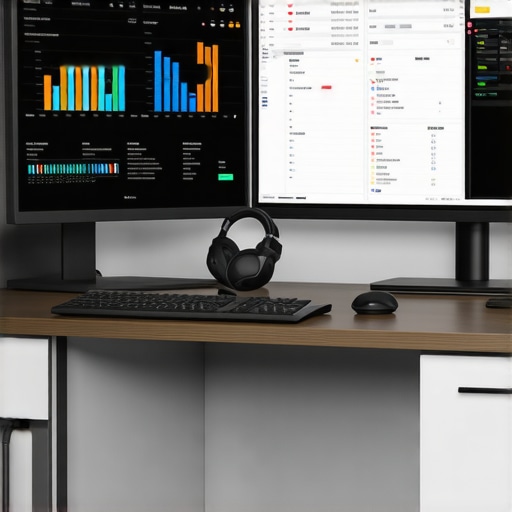
Imagine having a dashboard that consolidates your rankings, reviews, and performance metrics in real time. That’s what the right combination of tools can do—empowering you to react swiftly to changes. Here’s a suggested setup: BrightLocal for local SEO tracking, Google Search Console for search insights, and scheduling tools like Later for content consistency. This integrated approach will help you sustain, improve, and eventually scale your GBP efforts effectively.
What Nobody Tells You About Playing the Google Map Game
Mastering local SEO isn’t just about following a checklist anymore—it’s about understanding the subtle signals Google reads behind the scenes. My biggest breakthrough came when I realized that relying solely on reviews and keywords was like trying to win a race by just tying your shoelaces tighter. Instead, diving deep into engagement metrics and visual authenticity made the real difference, especially with the upcoming 2026 shifts. This discovery transformed my strategy from static to dynamic, and it can do the same for you.
Tools That Keep You Ahead When SEO Gets Tricky
Over the years, I’ve leaned on tools that reveal the unseen movements in local search. BrightLocal has been a game-changer, offering clarity on local rankings and competitor moves. Google Search Console provides raw data insights that guide my content tweaks, while scheduling apps like Later keep my updates fresh without constant manual effort. These tools aren’t just optional—they’re essential for turning data into actionable growth in this evolving landscape.
Your Next Step: Embrace the Change and Lead
The future of Google Profile SEO in 2026 belongs to those willing to adapt and learn continuously. Instead of shying away from the complexities, see them as opportunities to outthink your competition. Start experimenting with authentic visual content, engage more meaningfully with your reviews, and leverage data insights to refine your approach. The more proactive you are now, the more solid your position will be tomorrow. Are you ready to elevate your local SEO game and dominate the 2026 maps pack? Share your plans below—I love hearing about your journey!
,
Leave a Reply